Close
Close
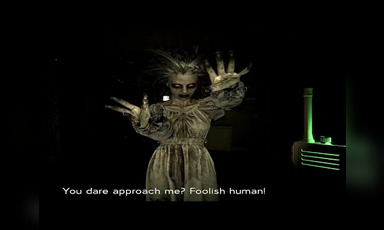
This FPS horror game involves five players navigating a hostile environment while avoiding AI monsters that react to sound. Players must communicate silently to escape and find items, using a microphone to coordinate their efforts quietly. The gameplay emphasizes stealth and collaboration, with a voice-activated AI that heightens the tension as players attempt to avoid being detected. The group discovers various items like bricks and hammers to aid in their escape, facing real-time threats from the AI-controlled enemies until a successful exit is achieved.
Introduction of the AI-monster hunting mechanics affecting gameplay dynamics.
Players discuss strategies in real-time while avoiding AI detection.
Planning around AI's perception to coordinate item usage and escape.
This game exemplifies the use of AI in a horror context, illustrating how sound detection systems can make gameplay more immersive. The AI monsters' design to react to player sounds reflects advancements in auditory perception algorithms and enhances the game's psychological tension. The balance between stealth and communication highlights important aspects of AI design in creating realistic enemy behaviors.
The integration of AI monsters responding to player voice demonstrates how artificial intelligence can revolutionize gameplay dynamics. Developers can incorporate complex AI behaviors that require players to adapt their strategies in real-time, increasing engagement while showcasing how machine learning can influence game development, particularly in the horror genre.
Their presence creates a tense environment, requiring players to strategize their communication and movements.
Players must manage their vocal volume to reduce the risk of detection by monsters.
 Log in
 Sign Up
 AI Tools - Popular

 AI Tools - Categories
 GPTs - Categories
 AI for Jobs
 Key AI Highlights in this Video

 AI Expert Commentary about this Video
 Key AI Terms Mentioned in this Video